
Community Garden Clearances require meticulous planning, prioritizing eco-friendly methods, and compliance with local regulations. Key steps include assessing structures, exploring green demolition, reusing/recycling materials, and adhering to safety protocols. Property clearance naturally involves sustainable practices like on-site shredding, responsible recycling, and collaboration with waste management centers. Community engagement, education, and partnerships drive successful transformations, benefiting both areas and the environment through proper disposal and repurposing.
Community gardens have become vital urban oases, fostering neighborhood cohesion and promoting sustainable living. However, the process of clearing these spaces for maintenance or development can present significant challenges. Unmanaged clearances may disrupt local ecosystems and displace valuable community resources. This article explores the art of navigating property clearance naturally within community gardens, offering a comprehensive guide to balance ecological preservation with necessary transformations. By delving into best practices and innovative solutions, we empower communities to preserve their green oases while facilitating essential changes.
- Planning and Permits for Community Garden Clearances
- Safety Considerations: Preparing Your Team and Site
- Efficient Property Clearance Techniques for Gardens
- Sustainable Disposal and Recycling Options After Clearance
- Community Engagement: Building a Greener Future Together
Planning and Permits for Community Garden Clearances

Community Garden Clearances require careful planning and permits to ensure a smooth process and adhere to legal requirements. When embarking on property clearance for community gardens, understanding the necessary steps is paramount. This involves assessing the scope of the project, obtaining relevant permissions, and coordinating with local authorities. For instance, in London, outbuilding demolition and clearance projects must comply with strict guidelines set by the Environment Act. Outbuilding clearance specialists are crucial in navigating these complexities, ensuring every aspect of the clearance process is handled legally and efficiently.
One key aspect to consider is the type of structures within the garden that need removal or renovation. This could range from outdated sheds to unused fences. Outbuilding renovation ideas can be explored, promoting a sustainable approach where materials are reused or recycled whenever possible. For instance, furniture from an old community greenhouse could be donated to local schools or charity groups, fostering a circular economy model. It’s important to consult with experts who can provide guidance on the most eco-friendly and cost-effective solutions for outbuilding demolition and clearance.
Obtaining permits is an essential step in the planning process. Community garden leaders should research local council regulations regarding property clearance naturally, ensuring all necessary documentation is in place before beginning any work. Failure to comply with these rules can result in project delays or even legal consequences. Many London-based outbuilding clearance specialists offer comprehensive services that include permit acquisition and waste removal, allowing community groups to focus on their core mission. By engaging professionals, communities can ensure the clearance process aligns with their values, including sustainable practices and responsible waste management.
Safety Considerations: Preparing Your Team and Site

Community Garden Clearances require meticulous planning and a deep understanding of safety protocols to ensure a successful and responsible outcome. When preparing for such projects, especially in urban areas like London, where space is limited, proper procedures can make all the difference. House clearance London has evolved to incorporate eco-friendly practices, ensuring that waste is minimised and recycled wherever possible.
The first step in any property clearance naturally begins with assessing the site and its unique challenges. In the case of community gardens, this might involve removing old sheds, overgrown vegetation, and potentially hazardous materials. A comprehensive risk assessment should be conducted to identify potential dangers such as unstable structures or contaminated soil. An eco-friendly clearance company will employ strategies like shredding on-site for organic waste and responsible recycling for materials that can be repurposed, ensuring minimal environmental impact. For instance, using London as a case study, where space is premium, many community gardens have become thriving urban oases through proper planning and sustainable practices.
Training your team to handle various tasks safely is paramount. This includes teaching them how to properly dispose of hazardous waste, such as old paints or pesticides, and ensuring everyone understands the importance of personal protective equipment (PPE). Shed clearance often requires heavy lifting and the use of specialized tools, so providing adequate training can prevent injuries and improve efficiency. Consider giving us a call at garage cleanout experts for tailored advice and support in navigating these complex tasks. Regular safety meetings and refresher courses can keep your team informed about best practices and industry regulations. By prioritizing safety and adopting eco-friendly methods, community garden clearances can be transformative projects that benefit both the local area and the environment.
Efficient Property Clearance Techniques for Gardens

Community Garden Clearances demand efficient property clearance techniques to make way for new beginnings. When transforming a neglected garden into a vibrant green space, careful planning and sustainable practices are paramount. Property clearance, particularly in urban settings, offers an opportunity to reduce waste, promote recycling, and create a healthier environment.
One of the most effective strategies is to prioritize natural methods of property clearance. This involves employing local recycling services that can efficiently process garden waste, ensuring materials are repurposed rather than sent to landfills. For instance, organic matter can be composted, providing rich soil amendments for future planting. Shed removal and clearance services play a crucial role, too; these professionals can safely dismantle and dispose of old structures, leaving the site ready for new installations.
Outbuilding deconstruction, our specialized service, exemplifies this commitment to sustainability. We offer efficient shed removal and clearance solutions tailored to community garden transformations. By partnering with local recycling centers, we ensure that materials are properly classified and recycled, diverting waste from landfills. This holistic approach not only clears the physical space but also fosters a culture of environmental stewardship within the community. Embracing these practices can lead to successful, sustainable garden makeovers, transforming blighted areas into thriving green spaces.
Sustainable Disposal and Recycling Options After Clearance
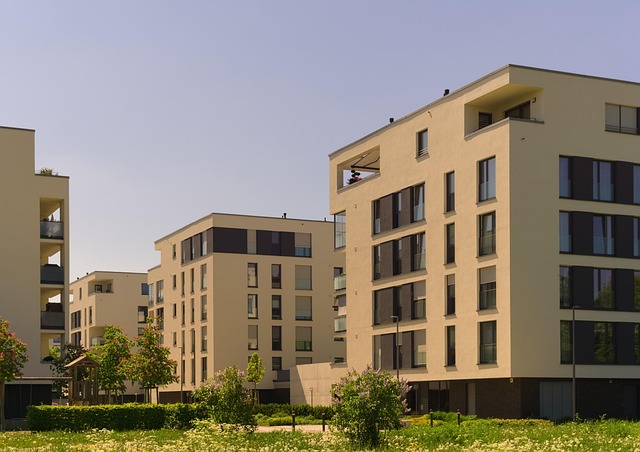
After a community garden clearance, sustainable disposal and recycling options are crucial for minimizing environmental impact. One effective approach involves collaborating with licensed waste carriers who specialize in managing green waste responsibly. These professionals can compost organic materials, ensuring they don’t end up in landfills. For larger items like furniture, donated or cleared pieces can find new life through specialized services, promoting a circular economy.
Deceased estate specialists, for instance, often offer comprehensive furniture donation and clearance services, diverting useful items from landfills. They have the expertise and resources to handle various disposal methods, including recycling, upcycling, and safe removal of hazardous materials commonly found in homes. By engaging such specialists, community garden organizers can ensure that clearances are conducted ethically and with a focus on sustainability.
Moreover, proper disposal strategies can have economic benefits. Many communities benefit from reduced landfill usage, as organic waste diversion programs often provide rebates or incentives. Additionally, partnering with local recycling centers or furniture donation hubs creates job opportunities and supports community initiatives. To facilitate this, consider giving us a call at shed removal services for expert guidance on sustainable property clearance naturally.
An example from a recent project in an urban setting illustrates these principles. After clearing a former garden space, over 80% of the cleared materials were either recycled or repurposed. This achievement was made possible through careful coordination with local waste management facilities and dedicated furniture donation centers, ensuring that the community’s efforts translated into tangible environmental benefits.
Community Engagement: Building a Greener Future Together

Community engagement is a cornerstone of successful community garden clearances, fostering a shared vision for a greener future. It’s about empowering residents to take ownership of their green spaces, ensuring these areas remain vibrant and thriving. Through collaborative efforts, local communities can transform underutilized or neglected property into flourishing oases that enhance the quality of life for all inhabitants.
London, with its diverse neighborhoods and rich history, serves as a prime example where house clearance London services play a vital role in this process. For instance, a former abandoned lot can be transformed into a community garden where residents cultivate vegetables, herbs, and flowers, fostering not only environmental stewardship but also social connections. Garden clearance and shed removal, often a significant part of these projects, involve carefully planning the safe and efficient disposal or repurposing of materials, ensuring that the clearance process is as eco-friendly as possible. This can include recycling materials like wood from sheds for new garden features or composting organic waste generated during the clearance process.
A key strategy in community engagement is education—informing residents about sustainable practices and the environmental impact of their choices. For instance, workshops on natural property clearance methods, led by local experts or organizations specializing in garage makeovers, can empower individuals to take action. These sessions can cover topics such as native plant identification, organic gardening techniques, and sustainable shed building, inspiring folks to create eco-conscious spaces. By combining efforts through a garage and shed clearance combo, communities can achieve significant progress in clearing unwanted items while promoting responsible disposal and recycling practices.
Ultimately, community garden clearances are about more than just transforming physical spaces; they represent a collective movement towards sustainability, social cohesion, and environmental stewardship. When residents actively participate in these initiatives, they contribute to the creation of beautiful, thriving green areas that become the heart of their neighborhoods, enhancing the well-being and resilience of the entire community.
Community garden clearances are not just about removing vegetation; they are a catalyst for positive change, fostering greener futures through strategic planning, safety, efficient techniques, sustainable disposal, and robust community engagement. By navigating permits, preparing teams, and adopting eco-conscious practices, organizations can transform properties into thriving green spaces. This article has provided invaluable insights on property clearance naturally, emphasizing the importance of comprehensive preparation, effective methods, and community involvement. Moving forward, embracing these key learnings will enable successful clearances, ensuring lasting environmental benefits and stronger, more connected communities.